The Mockingbird as a Symbol of Innocence
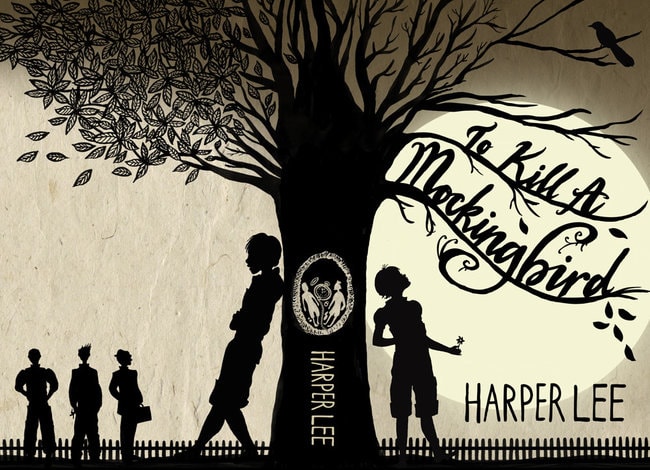
In 'To Kill a Mockingbird,' the mockingbird represents innocent individuals who do no harm and only bring joy, such as Tom Robinson and Boo Radley, highlighting the social commentary on the destruction of innocence through prejudice and injustice.
Boo Radley's Reclusiveness and Misunderstanding
Boo Radley symbolizes the misunderstood outsider in society, critiquing how rumors and fear perpetuate social isolation and prejudice in small-town America during the 1930s.
The Mad Dog Incident and Racism
The shooting of the mad dog by Atticus Finch serves as a metaphor for the pervasive and dangerous nature of racism in the South, illustrating the novel's commentary on confronting societal evils head-on.
The Gifts in the Knothole Tree
The secret gifts left in the tree by Boo Radley symbolize hidden acts of kindness and humanity, commenting on how true goodness often exists beneath the surface of societal judgment and fear.
Atticus Finch's Glasses and Moral Vision
Atticus's glasses represent clear moral vision and empathy, underscoring the book's social commentary on the importance of understanding others' perspectives in combating injustice and inequality.
The Trial of Tom Robinson and Racial Injustice
The trial symbolizes the deep-rooted racial prejudice in the American justice system, providing a stark commentary on the systemic racism and inequality faced by African Americans in the Jim Crow South.
Scout's Ham Costume and Loss of Innocence
Scout's ham costume during the attack symbolizes vulnerability and the end of childhood innocence, reflecting the novel's exploration of how exposure to societal evils forces moral growth and awareness.
The Camellia Flowers from Mrs. Dubose
The white camellias given to Jem symbolize redemption and the complexity of human nature, commenting on themes of courage, addiction, and breaking free from societal constraints like racism.
Swipe or drag the card to navigate