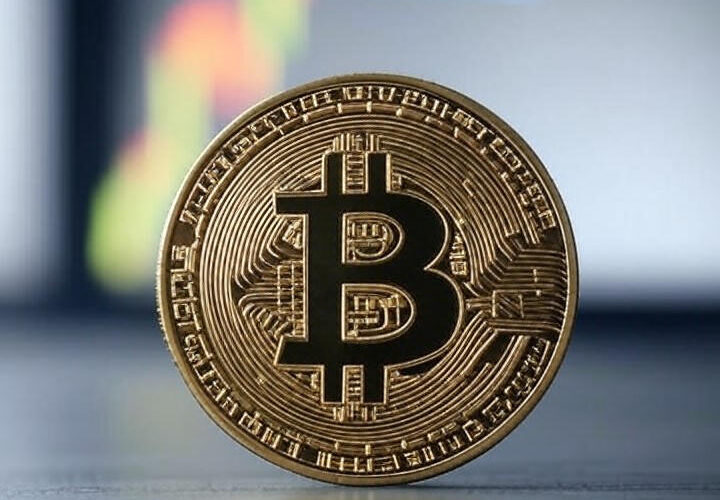
Definition of DeFi
Decentralized Finance (DeFi) refers to a blockchain-based financial system that operates without traditional intermediaries like banks, using smart contracts on networks like Ethereum to enable services such as lending, borrowing, and trading.
Rapid Growth in Total Value Locked
As of 2023, the Total Value Locked (TVL) in DeFi protocols has surpassed $50 billion, a significant increase from less than $1 billion in 2019, demonstrating the explosive adoption of DeFi platforms.
Elimination of Intermediaries
DeFi revolutionizes traditional banking by removing the need for central authorities, allowing users to directly interact with financial services through peer-to-peer networks, which reduces fees and increases efficiency.
Accessibility for the Unbanked
DeFi provides financial services to over 1.7 billion unbanked individuals worldwide by requiring only an internet connection and a crypto wallet, bypassing the need for bank accounts or credit checks.
Key DeFi Protocols
Popular DeFi platforms like Uniswap for decentralized exchanges and Aave for lending have processed billions in transactions, offering users yields often higher than traditional savings accounts.
Transparency and Security
All DeFi transactions are recorded on public blockchains, providing unprecedented transparency compared to traditional banking, though this also introduces risks like smart contract vulnerabilities.
Yield Farming and Liquidity Mining
DeFi introduces innovative earning mechanisms like yield farming, where users provide liquidity to pools and earn rewards, potentially offering returns far exceeding those from conventional bank deposits.
Regulatory Challenges
While DeFi is disrupting traditional finance, it faces regulatory scrutiny from bodies like the SEC, with ongoing debates about how to classify and oversee decentralized protocols.
Swipe or drag the card to navigate