The Role of Druids in Celtic Society
Druids were highly respected priests, advisors, and judges in ancient Celtic communities, responsible for religious rituals, education, and preserving oral traditions through memorization of lore and laws.
Cú Chulainn: The Legendary Warrior
Cú Chulainn, a hero from the Ulster Cycle of Irish mythology, was known for his superhuman strength and battle frenzy, famously defending Ulster single-handedly in the epic Táin Bó Cúailnge.
The Otherworld: Enchanted Realms
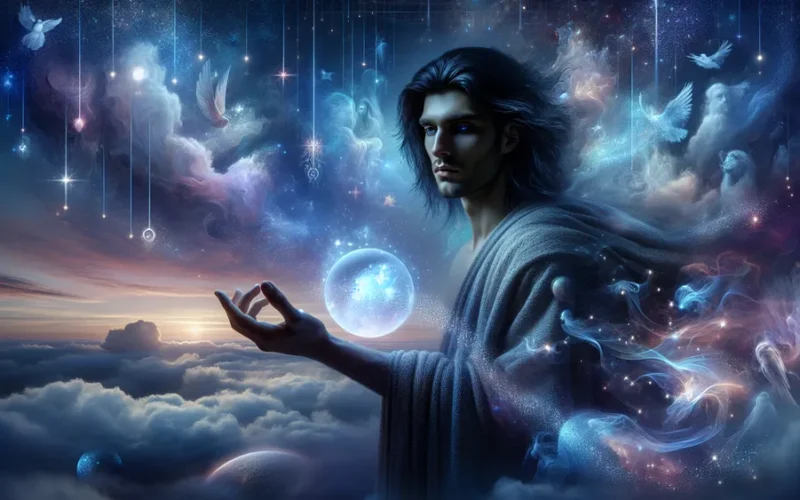
In Celtic mythology, the Otherworld is a supernatural realm of eternal youth and beauty, often accessed through ancient mounds or lakes, and inhabited by gods, fairies, and the dead.
Druidic Rituals and Sacred Groves
Druids conducted rituals in sacred oak groves, using mistletoe in ceremonies believed to have magical properties, and they practiced divination and sacrifice to communicate with the gods.
The Morrígan: Goddess of War
The Morrígan is a shape-shifting goddess associated with war and fate in Irish mythology, often appearing as a crow on battlefields to inspire warriors or foretell doom.
Tír na nÓg: Land of Eternal Youth
Tír na nÓg is a mythical enchanted realm in Irish folklore where time stands still, inhabitants never age, and it's a paradise of endless summer, often reached by heroes on quests.
Celtic Warriors and the Heroic Code
Celtic warriors followed a heroic code emphasizing bravery, loyalty, and hospitality, with figures like Fionn mac Cumhaill leading the Fianna in tales of adventure and giant-slaying.
Druidic Magic and Shape-Shifting
Druids were believed to possess magical abilities, including shape-shifting into animals, controlling weather, and using spells, as depicted in myths like those involving Merlin in Welsh traditions.
Swipe or drag the card to navigate