Pagan Roots in the Name 'Easter'
The name 'Easter' is believed to derive from Eostre, an Anglo-Saxon goddess of spring and fertility, whose festival was celebrated around the vernal equinox, blending pagan rituals with Christian resurrection themes.
Ancient Egg Decorating Traditions
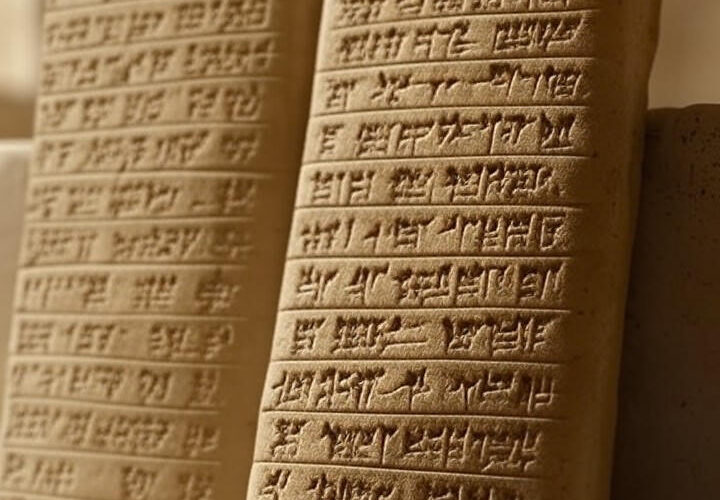
Decorating eggs for Easter has roots in ancient Mesopotamia, where early Christians adopted the pagan custom of staining eggs red to symbolize the blood of Christ, evolving from symbols of rebirth in various cultures.
The Easter Bunny's German Origins
The Easter Bunny tradition originated in 17th-century Germany, where it was known as the 'Osterhase,' a hare that laid colorful eggs, brought to America by German immigrants in the 1700s.
Chocolate Bunnies: A 19th-Century Invention
The first chocolate Easter bunnies were created in Germany in the 1890s by confectioners like Robert L. Strohecker, who molded them as a fun, edible alternative to traditional Easter symbols.
Easter's Movable Date and Lunar Calendar
Unlike fixed holidays, Easter's date is determined by the first Sunday after the full moon following the vernal equinox, a system rooted in ancient Jewish lunar calendars for Passover.
Hot Cross Buns' Pre-Christian History
Hot cross buns, now a Good Friday staple, trace back to pagan Saxon traditions of baking buns marked with a cross to honor the goddess Eostre, later Christianized to represent the crucifixion.
The White House Easter Egg Roll
The tradition of the White House Easter Egg Roll began in 1878 under President Rutherford B. Hayes, evolving from informal Capitol Hill egg-rolling games banned by Congress, symbolizing joy and renewal.
Easter Lilies from Japan
Easter lilies, a symbol of purity and resurrection, were introduced to the West from Japan in the 19th century, becoming popular in churches after World War I due to their blooming cycle aligning with spring.
Swipe or drag the card to navigate