Surveillance State Parallels
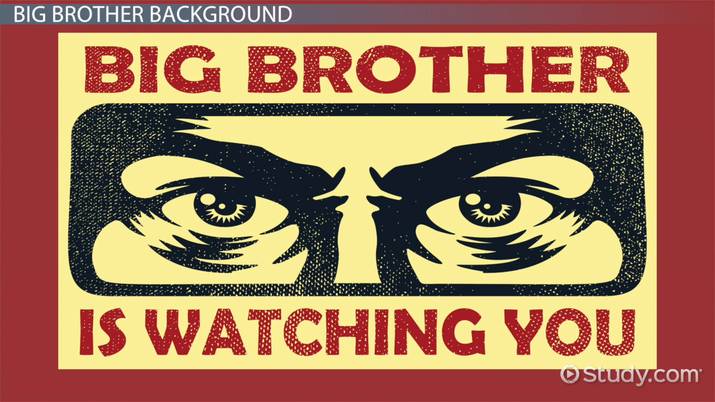
In 1984, Big Brother's constant surveillance mirrors modern society's use of CCTV, social media tracking, and data collection by governments and corporations, raising concerns about privacy erosion in the digital age.
Manipulation of Truth
Orwell's concept of 'doublethink' and altering historical records reflects today's 'fake news' phenomenon and misinformation spread via online platforms, highlighting the importance of critical thinking in verifying information.
Language as Control
Newspeak in 1984 aimed to limit thought by restricting language, similar to how modern political rhetoric, euphemisms, and social media algorithms shape public discourse and suppress dissenting views.
Totalitarian Power Dynamics
The Party's absolute control in 1984 warns against the rise of authoritarian regimes today, where leaders exploit fear and nationalism to consolidate power, as seen in various global political movements.
Erosion of Individual Freedom
Winston Smith's struggle for personal autonomy in 1984 underscores contemporary issues like online censorship and surveillance capitalism, emphasizing the need to protect individual rights in an increasingly monitored world.
Propaganda and Media Influence
The Ministry of Truth's role in propagating lies parallels how state-controlled media and biased reporting in some countries today manipulate public opinion to maintain power structures.
Psychological Manipulation
Orwell's depiction of thought police and re-education tactics highlights modern concerns with psychological operations, social engineering on platforms like TikTok or Twitter, and the impact on mental freedom.
Endless War as Distraction
The perpetual state of war in 1984 to unify the populace against a common enemy is akin to ongoing global conflicts and 'wars on terror' that divert attention from domestic issues and justify increased surveillance.
Swipe or drag the card to navigate