The Green Light Symbolism
In 'The Great Gatsby,' the green light at the end of Daisy's dock symbolizes Gatsby's unattainable dreams and the elusive nature of the American Dream, representing hope, longing, and the future that is always just out of reach.
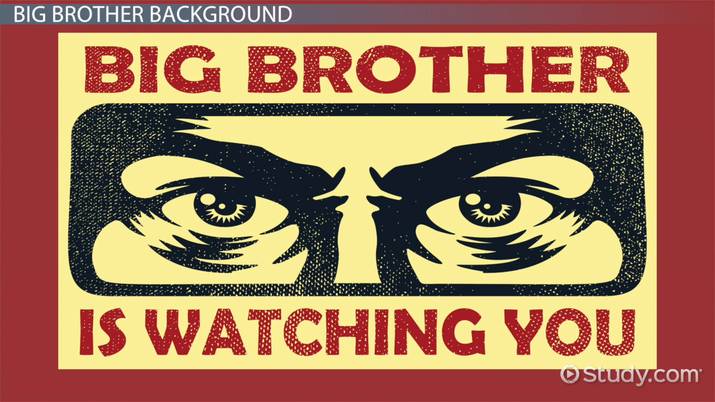
Eyes of Doctor T. J. Eckleburg
The billboard eyes of Doctor T. J. Eckleburg in the Valley of Ashes serve as a powerful symbol of moral decay and divine judgment, watching over the corrupt actions of the characters in a godless world.
Fitzgerald's Personal Scandals
F. Scott Fitzgerald's own life mirrored the novel's scandals, including his tumultuous marriage to Zelda, marked by alcoholism, infidelity, and mental health struggles, which influenced the book's themes of excess and downfall.
Initial Commercial Failure
Upon its 1925 release, 'The Great Gatsby' was a commercial disappointment, selling fewer than 25,000 copies and receiving mixed reviews, a stark contrast to its later acclaim as a literary masterpiece.
Prohibition-Era Bootlegging
Gatsby's mysterious wealth stems from illegal bootlegging during Prohibition, reflecting real-life scandals of the 1920s where organized crime and corruption flourished amid the ban on alcohol.
Zelda's Plagiarism Accusation
Zelda Fitzgerald publicly accused her husband of plagiarizing passages from her diaries for 'The Great Gatsby,' adding a layer of personal scandal to the novel's creation and highlighting their volatile relationship.
Enduring Literary Legacy
'The Great Gatsby' is hailed as the quintessential American novel, influencing countless works on the Jazz Age and the American Dream, and has been adapted into films, plays, and operas, cementing its place in cultural history.
Valley of Ashes Symbolism
The desolate Valley of Ashes symbolizes the moral and social decay hidden beneath the glamour of the Roaring Twenties, representing the consequences of unchecked materialism and inequality in American society.
Swipe or drag the card to navigate