Gregor Samsa’s Sudden Transformation
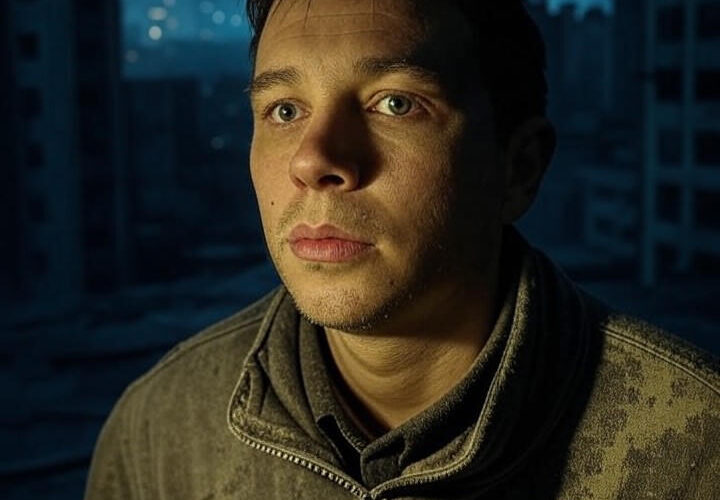
One morning, Gregor Samsa, a travelling salesman, wakes up to find himself transformed into a giant insect-like creature. This shocking event sets the stage for the entire story, symbolising alienation and loss of identity.
Family’s Initial Shock and Rejection
When Gregor’s family discovers his monstrous form, they are horrified. Instead of helping him, they isolate him in his room, revealing the fragility of familial love when confronted with the grotesque.
The Struggle for Communication
Although Gregor retains human thoughts and emotions, he can no longer speak or express himself clearly. His family’s inability to understand him amplifies his isolation and the tragedy of misunderstood existence.
Grete’s Changing Role
At first, Gregor’s sister Grete takes care of him with compassion. Over time, however, her sympathy fades, and she begins to see him as a burden. This shift highlights how love erodes under pressure.
The Family’s Dependence and Resentment
Before his transformation, Gregor was the sole breadwinner. Once he becomes unable to work, his family must find their own means of survival and grows resentful of the creature they once depended on.
Gregor’s Decline and Death
Rejected and starved, Gregor grows weaker each day. Eventually, he dies quietly in his room, symbolising the complete collapse of his identity and the triumph of indifference over empathy.
A New Beginning for the Samsa Family
After Gregor’s death, the family feels relief rather than sorrow. They plan for a hopeful future—moving to a new home and focusing on Grete’s marriage—symbolising renewal born from rejection.
Themes of Isolation and Identity
Kafka’s novella explores deep psychological and social themes—alienation, guilt, and the dehumanising effects of modern life. Gregor’s insect form is a metaphor for how society treats those who can no longer conform.
Swipe or drag the card to navigate