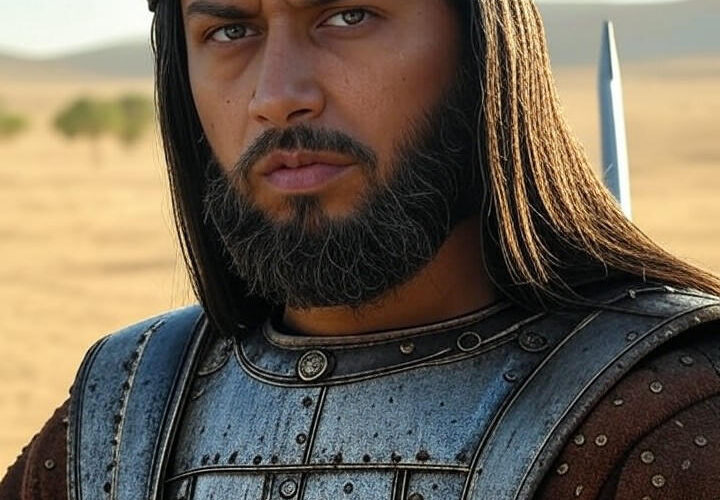
Date and Location
The Battle of Badr occurred on March 13, 624 CE (17 Ramadan, 2 AH in the Islamic calendar), near the wells of Badr in the Hejaz region of the Arabian Peninsula, approximately 80 miles southwest of Medina.
Participants
The Muslim forces, led by Prophet Muhammad, consisted of about 313 poorly equipped fighters, including immigrants from Mecca and helpers from Medina. They faced a Meccan army of around 1,000 warriors from the Quraysh tribe, commanded by Abu Jahl.
Cause of the Battle
The battle stemmed from tensions between the Muslims in Medina and the Quraysh of Mecca, exacerbated by a Muslim plan to intercept a Meccan trade caravan led by Abu Sufyan, which led to the Quraysh mobilizing an army to protect it.
Muslim Victory Despite Odds
Despite being outnumbered and out-equipped, the Muslims achieved a decisive victory, which is often attributed to their discipline, strategy, and morale, marking a significant turning point in early Islamic history.
Casualties and Captures
The Muslims suffered 14 casualties, while the Quraysh lost about 70 men killed, including prominent leaders like Abu Jahl, and another 70 were taken prisoner.
Role of Divine Intervention
According to Islamic tradition, the battle involved divine assistance, with angels reportedly fighting alongside the Muslims, as mentioned in the Quran (Surah Al-Anfal).
Aftermath and Significance
The victory boosted Muslim confidence, led to increased conversions to Islam, and weakened the Quraysh's influence, setting the stage for further conflicts like the Battle of Uhud.
Key Events During the Battle
The battle began with individual duels, followed by a general melee. A sandstorm is said to have aided the Muslims by disorienting the enemy.
Swipe or drag the card to navigate