The Earliest Writing Was for Bookkeeping
Sumerian cuneiform, developed around 3200 BCE in Mesopotamia, originated not for storytelling but for recording economic transactions like grain and livestock inventories.
Hieroglyphs Were More Than Pictures
Ancient Egyptian hieroglyphs, emerging around 3100 BCE, combined logographic, syllabic, and alphabetic elements, allowing for complex expressions beyond simple imagery.
Chinese Writing Began with Oracle Bones
The oldest Chinese script, dating back to 1200 BCE during the Shang Dynasty, was inscribed on turtle shells and animal bones used for divination purposes.
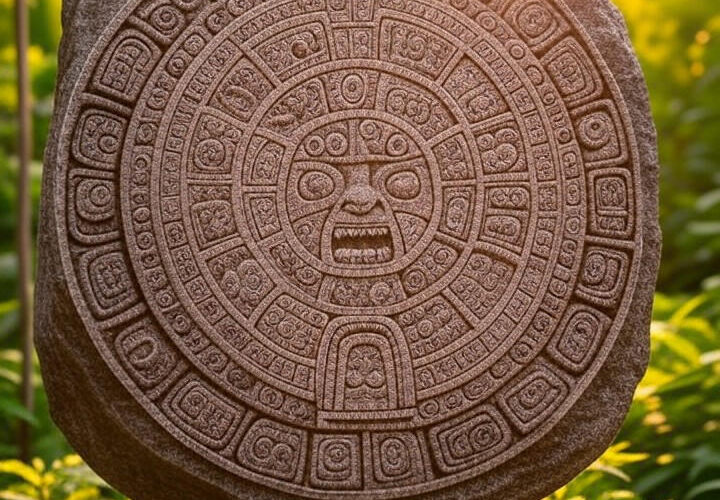
Mayan Script Decoded a Lost Language
The Maya civilization developed a full writing system by 300 BCE, which was only fully deciphered in the 20th century, revealing detailed historical and astronomical records.
Proto-Writing Tokens Predate Scripts
Before true writing, ancient Mesopotamians used clay tokens as early as 8000 BCE to represent goods, evolving into the impressed symbols of early cuneiform.
Linear A Remains Undeciphered
The Minoan script Linear A, used from 1800 to 1450 BCE on Crete, is still not fully understood, hiding secrets of one of Europe's earliest civilizations.
Phoenician Alphabet Revolutionized Writing
Around 1050 BCE, the Phoenicians created the first alphabet with 22 consonants, influencing Greek, Latin, and many modern scripts by simplifying writing.
Indus Valley Script Mystery
The script of the Indus Valley Civilization (2600-1900 BCE) appears on seals and pottery but remains undeciphered, with over 400 symbols that may not even represent a language.
Swipe or drag the card to navigate