Date and Location
The Battle of Hunayn occurred in 630 CE (8 AH in the Islamic calendar) in the valley of Hunayn, located between Mecca and Ta'if in the Arabian Peninsula.
Opposing Forces
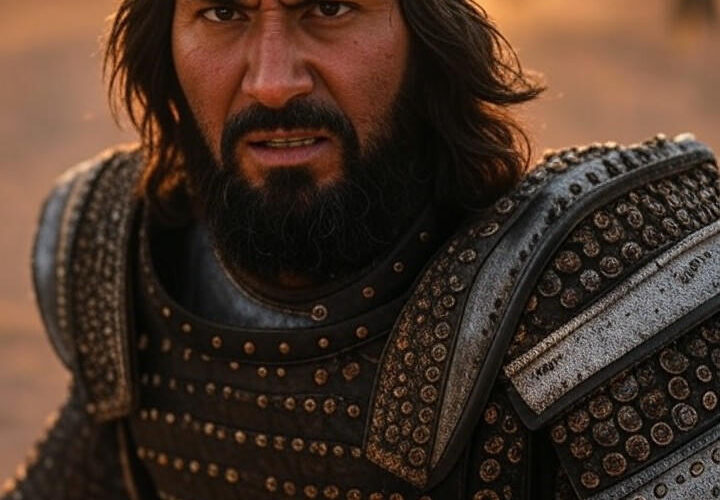
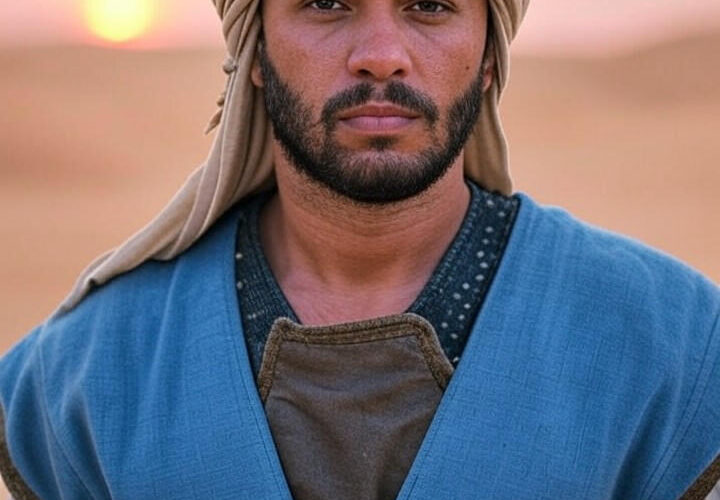
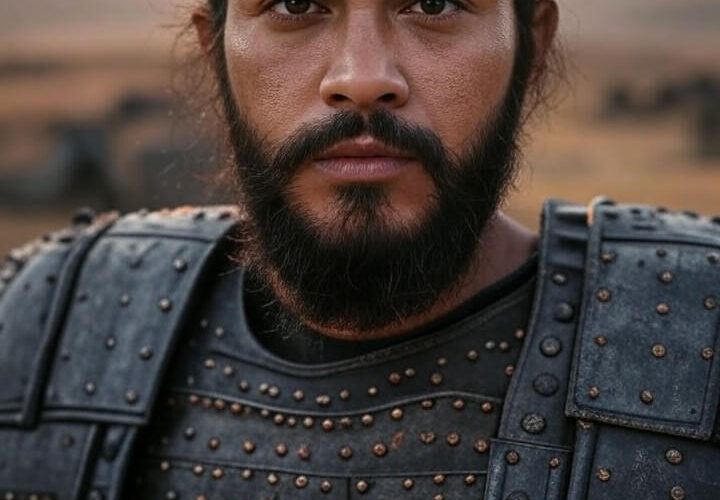
The Muslim army, led by Prophet Muhammad, consisted of about 12,000 fighters, facing off against a coalition of Bedouin tribes including the Hawazin and Thaqif, who numbered around 20,000 warriors.
Cause of the Battle
The battle was triggered by the Hawazin and Thaqif tribes' opposition to the growing influence of Islam following the conquest of Mecca, as they feared losing their autonomy and sought to challenge Muslim expansion.
Initial Ambush and Setback
The battle began with a surprise ambush by the Hawazin archers in the narrow valley, causing initial panic and retreat among the Muslim forces, with many fleeing the battlefield.
Turning Point
Prophet Muhammad rallied the Muslim troops by calling out to his companions and reciting verses from the Quran, leading to a counterattack that turned the tide of the battle in favor of the Muslims.
Outcome and Spoils
The Muslims achieved a decisive victory, capturing a vast amount of spoils including 24,000 camels, 40,000 sheep, and significant silver, which were later distributed among the fighters and new converts.
Historical Significance
The Battle of Hunayn is mentioned in the Quran (Surah At-Tawbah) and marked a crucial step in consolidating Muslim control over Arabia, leading to the conversion of many tribes and the eventual siege of Ta'if.
Swipe or drag the card to navigate