Date and Location
The Battle of Mu'tah occurred in September 629 CE (8 AH in the Islamic calendar) near the village of Mu'tah in modern-day Jordan, close to the border with Syria.
Opposing Forces
It was fought between a Muslim army of approximately 3,000 soldiers and a much larger combined force of the Byzantine Empire and their Ghassanid Arab allies, estimated at 100,000 to 200,000 troops.
Initial Commanders
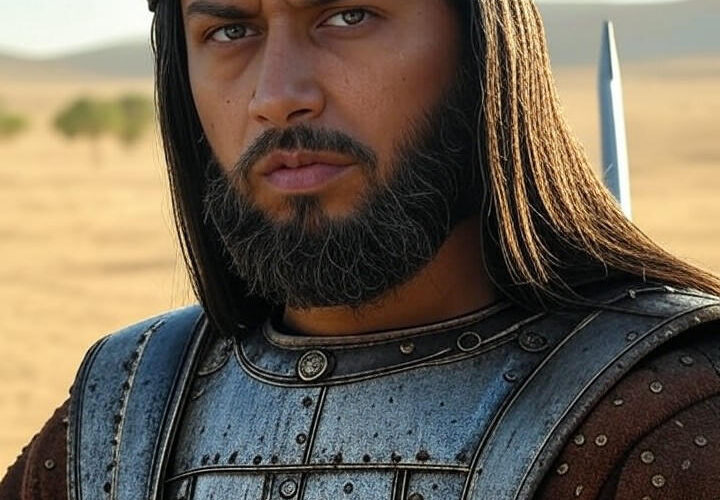
The Muslim forces were initially led by Zayd ibn Harithah, with Ja'far ibn Abi Talib and Abdullah ibn Rawahah designated as successive commanders if the previous one fell in battle.
Martyrdom of Leaders
All three initial commanders—Zayd ibn Harithah, Ja'far ibn Abi Talib, and Abdullah ibn Rawahah—were martyred during the battle, marking a significant loss for the Muslim side.
Role of Khalid ibn al-Walid
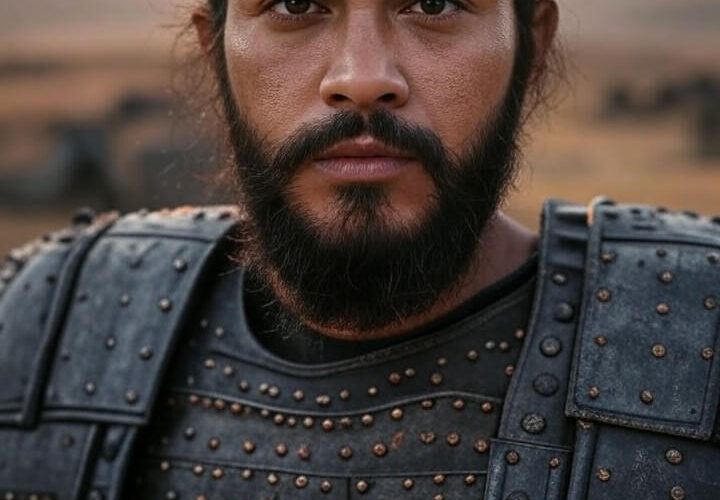
After the death of the three commanders, Khalid ibn al-Walid took command and skillfully maneuvered the Muslim army to withdraw without further heavy losses, earning him the title 'Sword of Allah'.
Strategic Outcome
Although the battle did not result in a decisive territorial victory for the Muslims, it is considered a moral and strategic success due to the Muslims' ability to hold off a vastly superior force and retreat intact.
Historical Significance
The Battle of Mu'tah was the first major military confrontation between the Muslims and the Byzantine Empire, setting the stage for future expansions into Byzantine territories during the Rashidun Caliphate.
Casualties
Muslim casualties were relatively low, with around 12-13 soldiers killed, while the enemy forces suffered heavier losses, though exact numbers are debated in historical accounts.
Swipe or drag the card to navigate