Founder of Islam
Islam was founded by the Prophet Muhammad in the 7th century in Mecca, Saudi Arabia. He is considered the last prophet in a line that includes figures like Abraham, Moses, and Jesus.
The Holy Quran
The Quran is the central religious text of Islam, believed by Muslims to be a revelation from God (Allah) to Muhammad. It is divided into 114 chapters called surahs.
Five Pillars of Islam
The Five Pillars are the core beliefs and practices: Shahada (faith), Salah (prayer), Zakat (charity), Sawm (fasting during Ramadan), and Hajj (pilgrimage to Mecca).
Major Branches
The two major branches of Islam are Sunni and Shia. Sunnis make up about 85-90% of Muslims, while Shias constitute the rest, with differences stemming from succession after Muhammad's death.
Hajj Pilgrimage
Hajj is an annual Islamic pilgrimage to Mecca, obligatory for Muslims who are physically and financially able to undertake it at least once in their lifetime.
Ramadan Fasting
Ramadan is the ninth month of the Islamic lunar calendar, during which Muslims fast from dawn until sunset, refraining from food, drink, and other physical needs as a means of spiritual discipline.
Mosques
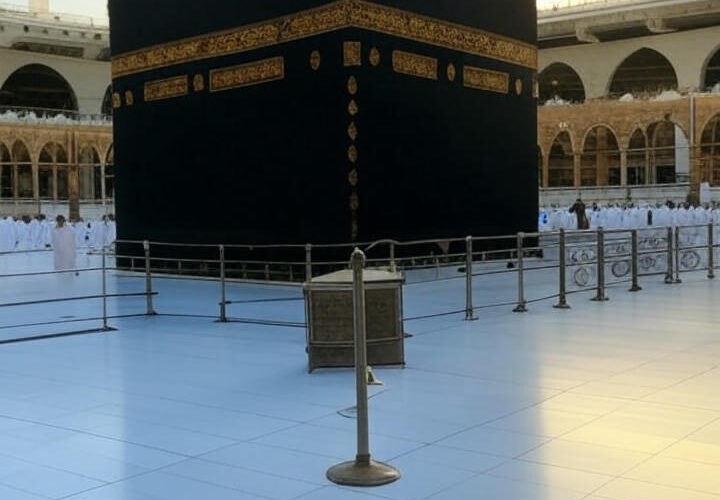
A mosque is a place of worship for Muslims. The most famous is the Masjid al-Haram in Mecca, which houses the Kaaba, the holiest site in Islam.
Allah
Allah is the Arabic word for God in Islam. Muslims believe in one God who is merciful, all-powerful, and the creator of the universe.
Prophet Muhammad's Life
Muhammad was born around 570 CE in Mecca. He received his first revelation at age 40 and preached monotheism, leading to the establishment of the Muslim community.
Spread of Islam
Islam spread rapidly after Muhammad's death in 632 CE, expanding through conquests, trade, and missionary activities across the Middle East, North Africa, and beyond.
Islamic Golden Age
From the 8th to 14th century, the Islamic Golden Age saw advancements in science, medicine, mathematics, and philosophy, with scholars like Al-Khwarizmi and Ibn Sina contributing significantly.
Islamic Art and Architecture
Islamic art often features intricate geometric patterns, calligraphy, and arabesques, avoiding depictions of humans or animals in religious contexts. Famous examples include the Taj Mahal.
Swipe or drag the card to navigate